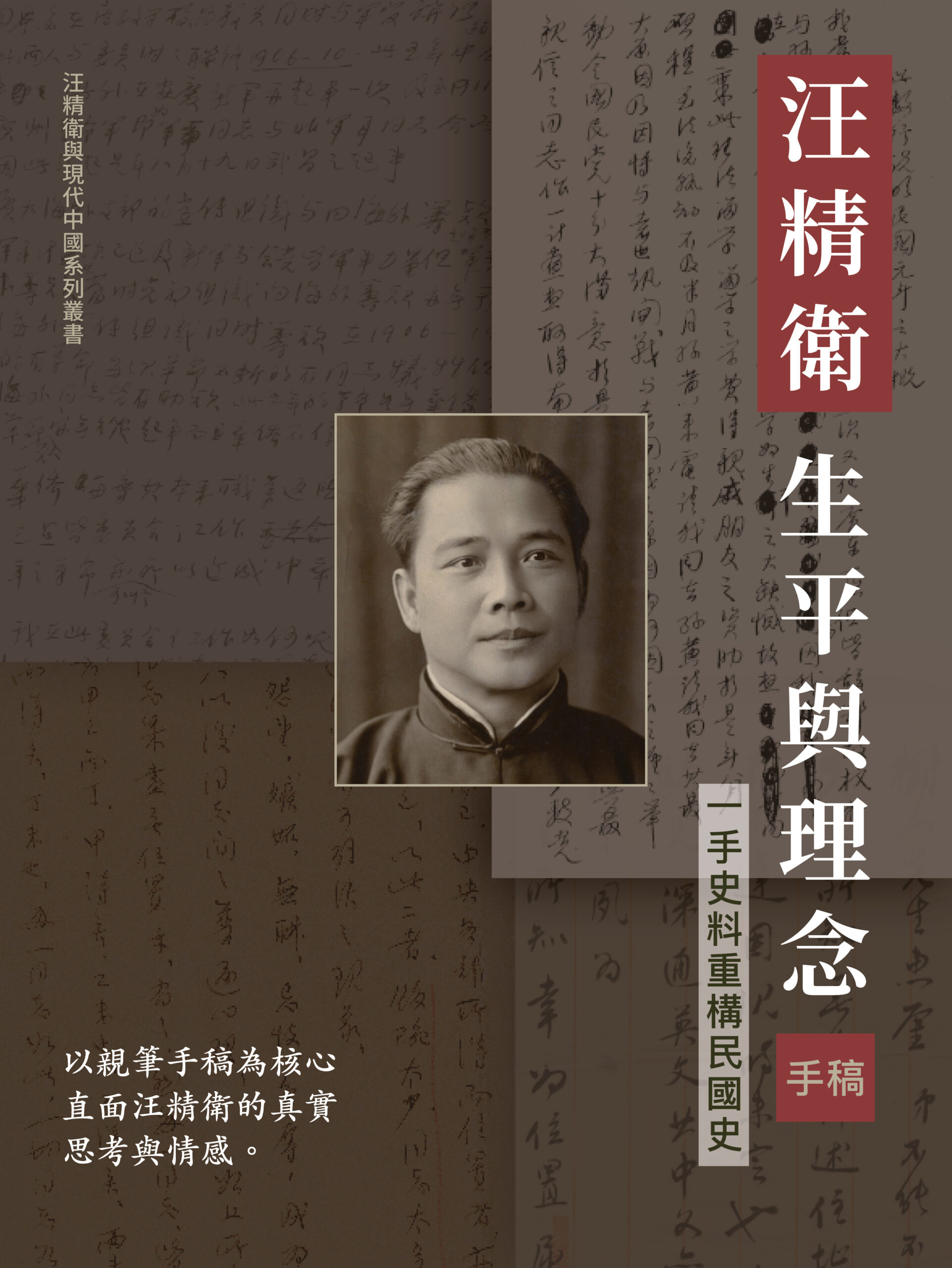
The fourth episode of the four-part seminar “Wang Jingwei As A Foreseer Against Communism,” held on May 4, 2025 in Taipei, features an audience Q&A session with speakers Yu Jie, Sang Pu, and Akio Yaita. This lively exchange features topics ranging from U.S.–Japan relations, the Kuomintang–Communist struggle, different approaches to anti-Communism, and wartime intelligence organizations. Watch now.
We are not saying that Wang Jingwei should be rehabilitated or affirmed. Historical figures do not necessarily need to be affirmed, nor do they necessarily need to be condemned. What matters is that we gain an objective and comprehensive understanding of what actually happened in history.AKIO YAITA
In response to a question on U.S.–Japan relations, Akio Yaita argues that to understand the twentieth-century order in East Asia, one cannot focus on superficial conflicts among Japan, the United States, and China. It is also necessary to see how communism expanded within international politics and profoundly altered the fate of China, Taiwan and Asia as a whole.
On the difference between Wang Jingwei’s and Chiang Kai-shek’s opposition to Communism, Yu Jie points out that Chiang’s opposition remained largely at the level of power struggle, rather than being grounded in values or institutions. In contrast, Wang Jingwei’s transformation around 1927 led him increasingly to view anti-Communism as fundamental to preserving life and preventing China from falling into even greater disaster. This distinction is key to understanding Wang Jingwei anew.
In response to questions about “No. 76 Jessfield Road” (the intelligence apparatus under Japanese direction in Shanghai), Sang Pu argues that one crucial issue is whether such operations should be understood as active attacks, or as defensive measures against assassinations and sabotage carried out by the Chiang Kai-shek Chongqing government.
Akio Yaita adds that one cannot only look at the violence of one side: both Chongqing and Yan’an (where the Chinese Communist Party headquarters were established) also executed large numbers of Chinese people in the name of punishing “traitors”. To understand the tragedy of wartime China, assassinations, counter-assassinations, intelligence operations, and political purges, must all be considered within the broader historical context. To discuss Wang Jingwei again is not to erase all controversy, but to understand the choices he faced amid the wartime crisis in China, and thereby reconsider the complexity of modern history.
This portion of the seminar, which included questions from the audience as well as spontaneous responses from the speakers, demonstrates that history is a subject of continuing discuss and exchange of views, not a final verdict handed down in textbooks.
Episode One with Yu Jie
Episode Two with Akio Yaita
Episode Three with Sang Pu
Episode Four: Audience Q&A
now available as individual e-books and in print