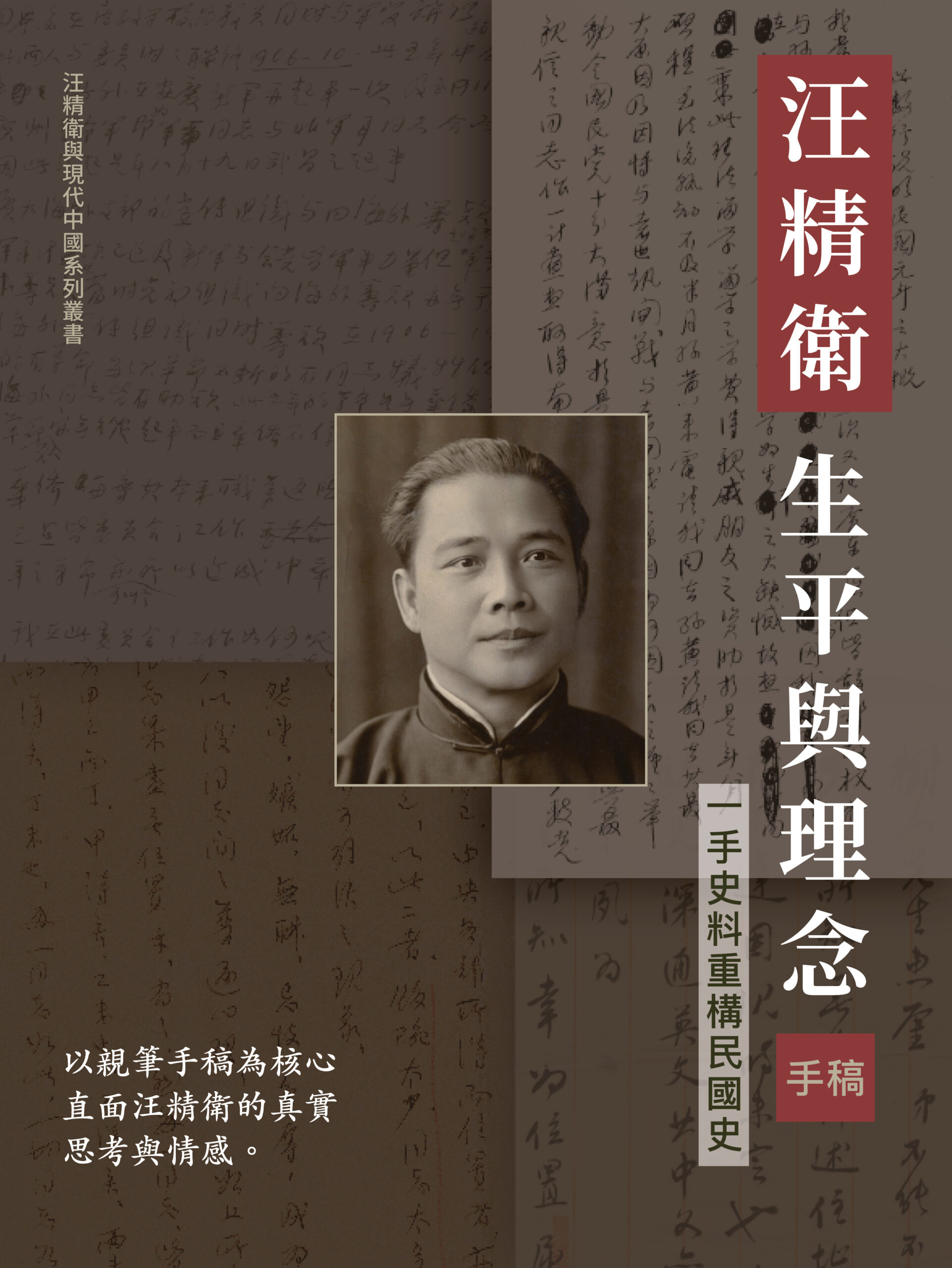
I believe that among the many political figures of Republican China, Wang Jingwei was almost the only one who truly respected human life and dignity.SANG PU
Sang Pu points out that Wang Jingwei’s early support for Sun Yat-sen and his belief in the policy of alliance with Soviet Russia and accommodation with the Communists should not be understood as passive conformity. Rather Wang was operating within the political imagination of anti-imperialism, national salvation, and the unification of China at the time. What deserves closer attention is how, as the Comintern gradually penetrated the Kuomintang’s organization, military apparatus and centers of power, Wang came to recognize an impending crisis and made the pivotal decision to break with the Communists.
Turning to the question of war and peace during the War of Resistance, Sang Pu raises a profoundly realistic question: when war is packaged as the only patriotic answer, who is to bear the cost of human casualties, displacement and exhaustion of a nation’s vitality? Wang Jingwei’s choice remains deeply controversial. But for that reason Wang's actions should be reconsidered in light of the historical circumstances and primary sources of the time.
From the Kuomintang’s entanglement with the Comintern, to the 1927 break with the Communists, to the difficult choice between war and peace, this episode invites viewers to revisit Wang Jingwei with Sang Pu and reflect on the more complex dimensions behind one of the most controversial figures in the history of Republican China.
“Wang Jingwei As A Foreseer Against Communism” Seminar Series
Episode One with Yu Jie
Episode Two with Akio Yaita
Episode Three with Sang Pu
now available as individual e-books and in print