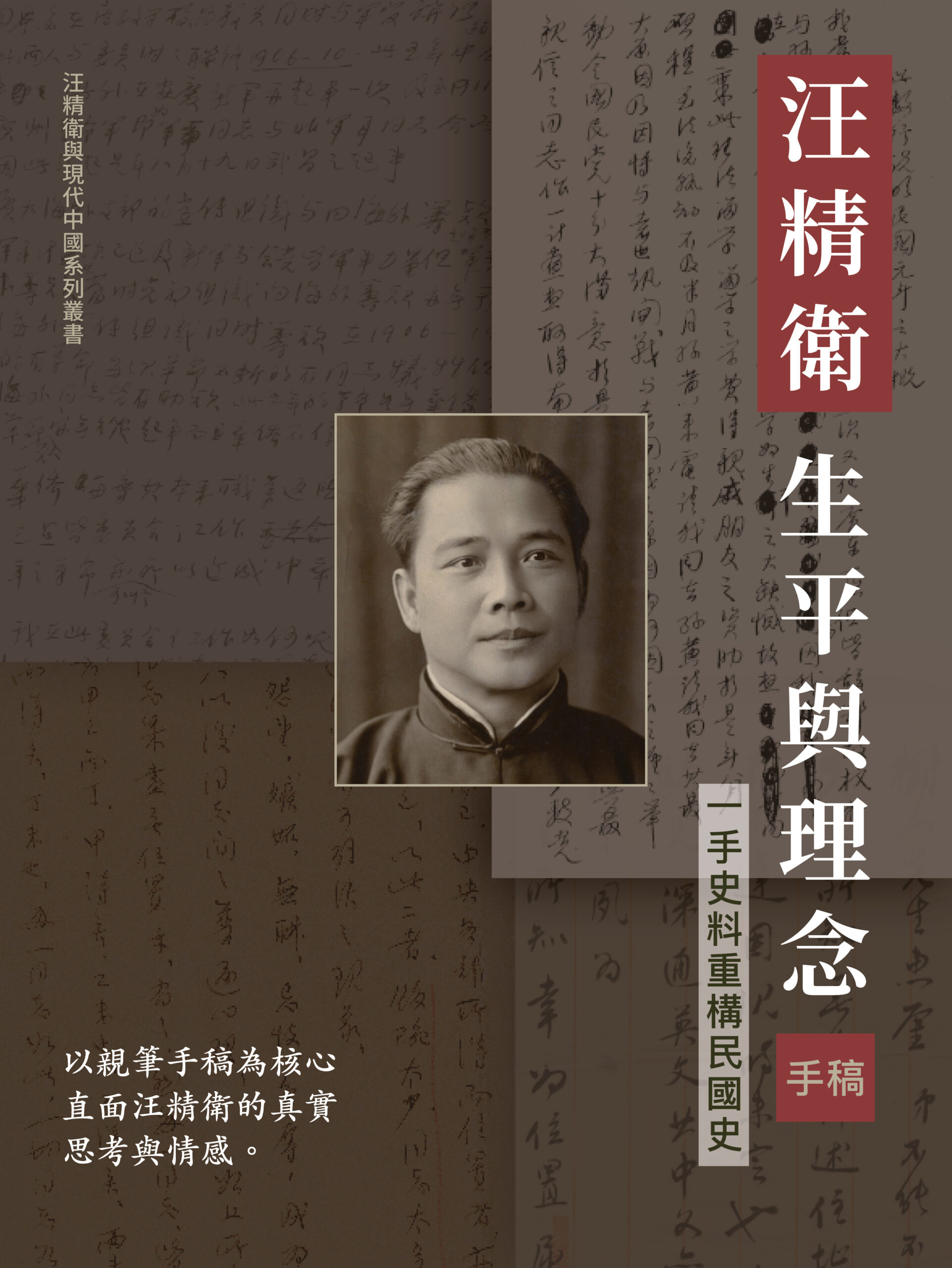
Drawing on his personal experience across three distinct regions, Akio Yaita — a veteran political commentator who was born in Tianjin, educated in Japan, and is now based in Taiwan — examines the legacy of Wang Jingwei through the lens of modern Japanese historiography, Taiwan-Japan relations, and Taiwan’s current political landscape. Yaita argues that re-examining Wang Jingwei today serves as a necessary liberation of thought. Watch now!
China operates under a supposedly “correct” historical perspective, which can be described as a “traitor historiography”. This framework prioritizes the nation-state above all else; anyone deemed to have fallen short of contributing to it is instantly branded a traitor or a sinner against the nation.AKIO YAITA
Contrasting this with the historical evaluation of the Meiji Restoration, Yaita points out that Japanese society is often able to transcend political stances and the dichotomy of winners and losers, allowing for a more objective and comprehensive assessment of historical figures like Saigo Takamori (1828-1877). In contrast, the understanding of Wang Jingwei in the Sinosphere has long been clouded by simplistic moral judgments of good versus evil, preventing subsequent generations from truly understanding his ideas and choices.
Yaita specifically notes that CCP mouthpieces once demonized Frank Hsieh, Taiwan’s former representative (2016-2024) to Japan, as a “modern-day Wang Jingwei.” Yet, during the height of the pandemic when Taiwan faced a severe vaccine shortage, it was Hsieh who successfully facilitated Japan’s timely donation of vaccines to Taiwan. This demonstrates how reductionist accusations of being “pro-Japanese” or a “traitor” frequently obscure the reality of a situation.
Furthermore, Yaita highlights that during the first KMT-CCP alliance in 1927, the Kuomintang faced a severe crisis of “communizing”, with communist forces infiltrating the central committee, secretariats, and various organizational levels. Wang Jingwei’s subsequent decision to sever ties with the Communist Party through relatively peaceful means underscores his high degree of alertness toward the CCP’s power grab.
Wang Jingwei consistently opposed communism thereafter, believing that the fight against communism was even more crucial than nationalism. Looking back now, his foresight has been proven correct in many respects.AKIO YAITA
With a restructuring of the international order, Yaita believes that as Taiwan navigates CCP infiltration and choices regarding its internal political direction, revisiting Wang Jingwei is not merely a look back at Republican history — it provides vital perspective for Taiwan as it contemplates its own future path.
“Wang Jingwei As A Foreseer Against Communism” Seminar Series
Episode One with Yu Jie
Episode Two with Akio Yaita
Episode Three with Sang Pu
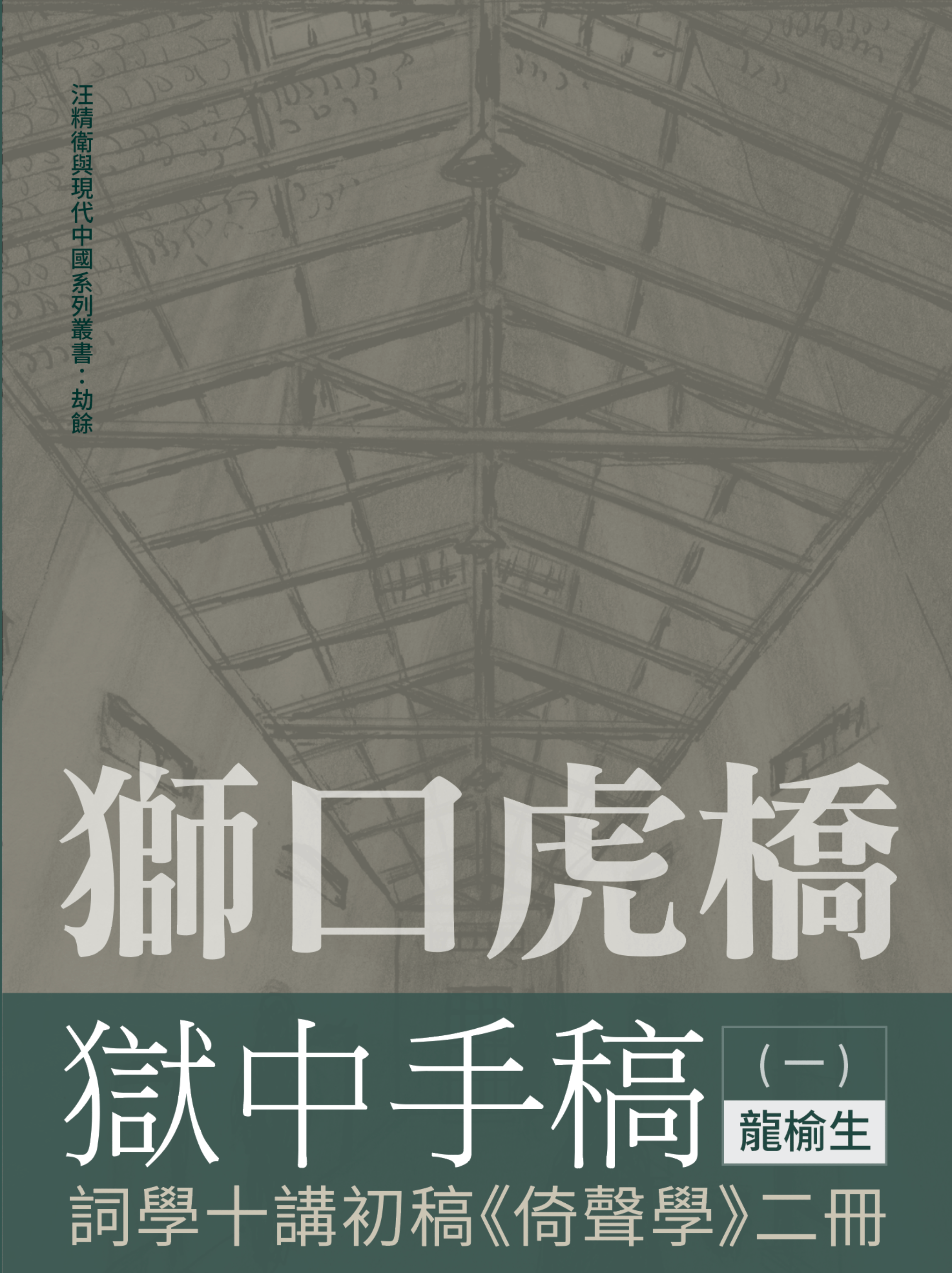
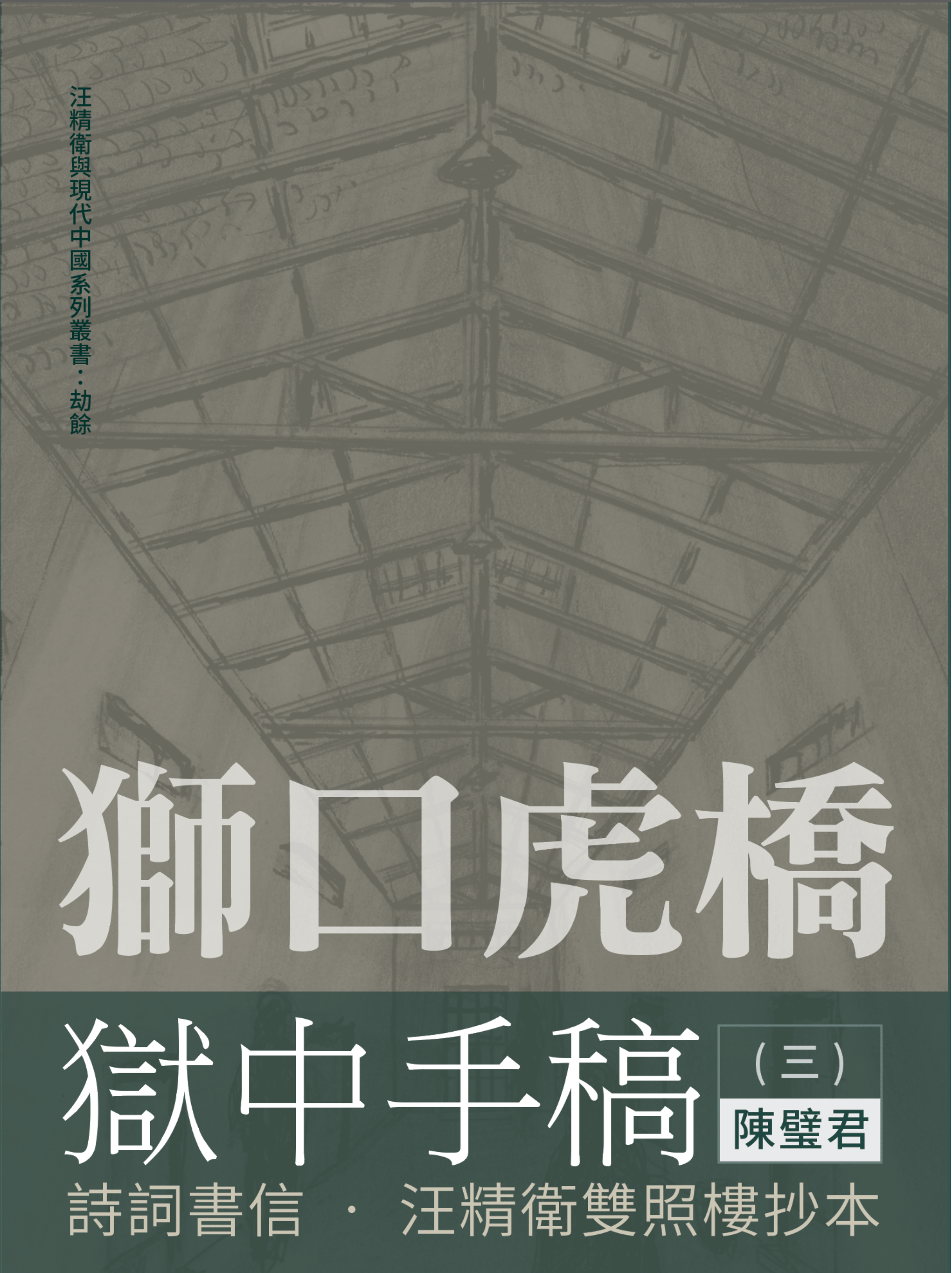
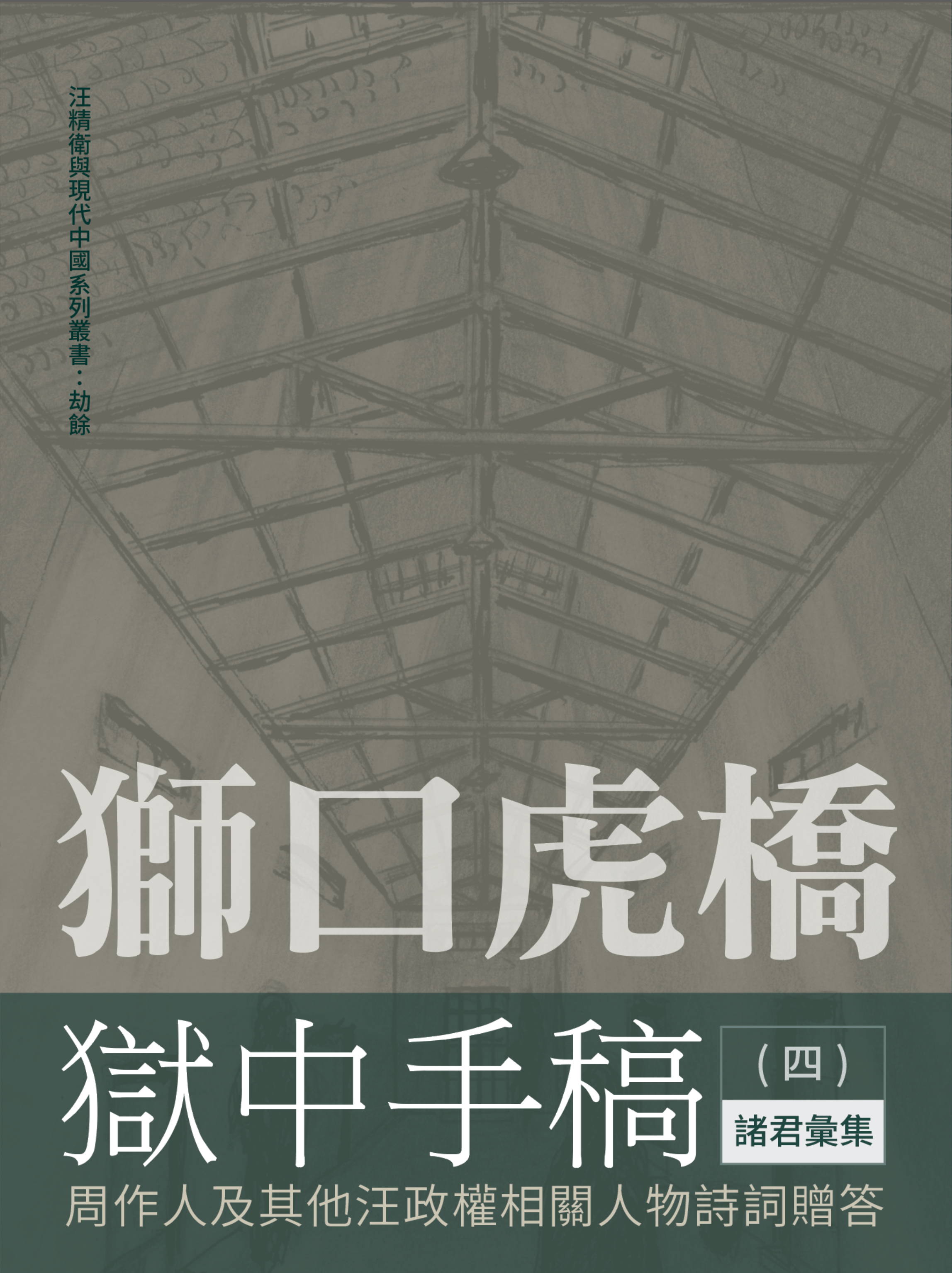
now available as individual e-books and in print