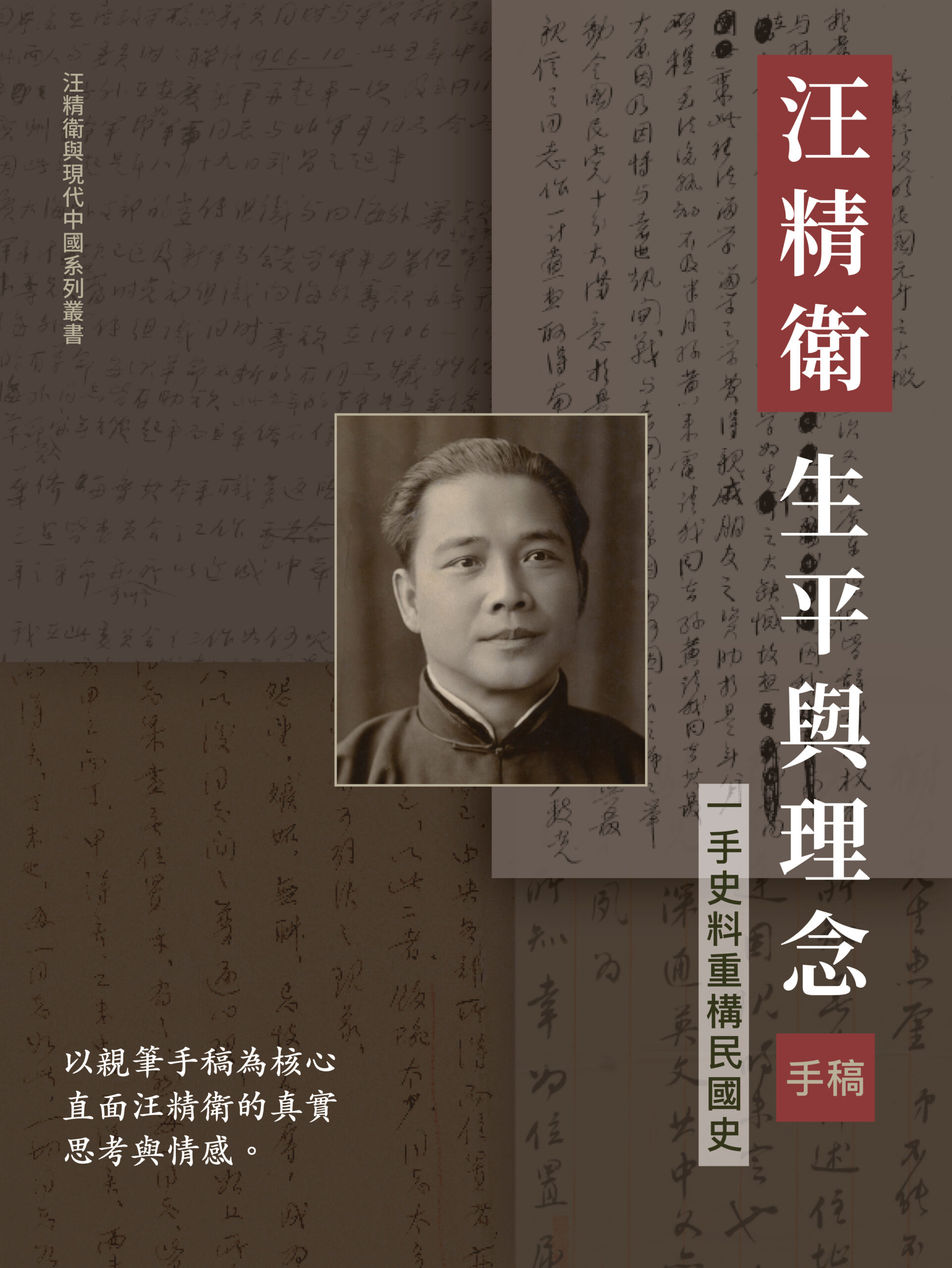
On June 13, 2026, a seminar at National Chung Hsing University was chaired by Associate Professor Chia-Hsing Ho, Chair of the Department of History. Associate Professor Wei-Chih Liu of the Department of Chinese Literature at National Cheng Kung University delivered a lecture entitled “Inner Thoughts and Outward Actions in Perfect Harmony: Four Interpretations of Poetry as Historical Sources for Wang Jingwei’s Peace Movement.” Through Wang Jingwei’s poems on fallen leaves, his elegies for departed friends, and poetic exchanges inspired by paintings, Liu explored a central question: beyond Wang’s political writings, what further insights can his poetry offer into his thoughts and state of mind?
Professor Liu pointed out that Wang Jingwei’s “Fallen Leaves” (to the tune of Yijiu You), composed after his departure from Chongqing, reflected his assessment of the wartime situation as well as the complex emotions he experienced upon leaving his former comrades. Poems mourning the deceased, through exchanges and responses among friends, came to serve as a means of promoting the Peace Movement. From personal expression to public advocacy, these works reveal how Wang sought to explain his political choices and how those around him responded.
Professor Liu also suggested that the verses composed by Long Yusheng and Li Xuanti, drawing upon the story of Jing Ke, may have carried an implicit appeal for Wang Jingwei to reconsider his policy toward Japan. These works deserve to be read alongside Wang’s own poetic responses.
Through Professor Liu’s close reading, the emotions, poetic exchanges, and underlying meanings expressed in Wang Jingwei’s poetry become valuable clues for re-examining history. Reading these poems alongside political writings, correspondence, manuscripts, and other primary sources also reflects the goal of the Wang Jingwei & Modern China series: to provide readers with a broader factual basis for understanding Wang.
now available as individual e-books and in print