The 14th issue of the Journal of Republican Chinese Literature and Culture features a research article on Wang Jingwei’s “Nanshe Shihua,” written by Chu Onpui, the editor of Wang Jingwei & Modern China and author of “Analyzing Ho Mang Hang’s ‘Nanshe Shihua’”. The study focuses on the 1922 “Guangzhou Incident” and Wang’s analyses of contemporary figures such as Chiang Kai-shek, Hu Hanmin, and Chen Jiongming, highlighting the unique value of “Nanshe Shihua” as a historical document.
“Nanshe Shihua” is not merely a collection of notes on poetry; it is an indirect political biography that blends personal reflections, historical chronicles, and observations of key figures. Despite being in Hong Kong at the time to oppose Chiang’s dictatorship, Wang offers a fair assessment in “Nanshe Shihua” of Chiang Kai-shek’s judgment prior to the Guangzhou mutiny. He also candidly notes that Hu Hanmin’s intense desire for power and his fractious manner of handling affairs were among the primary catalysts for the rift between Sun Yat-sen and Chen Jiongming.
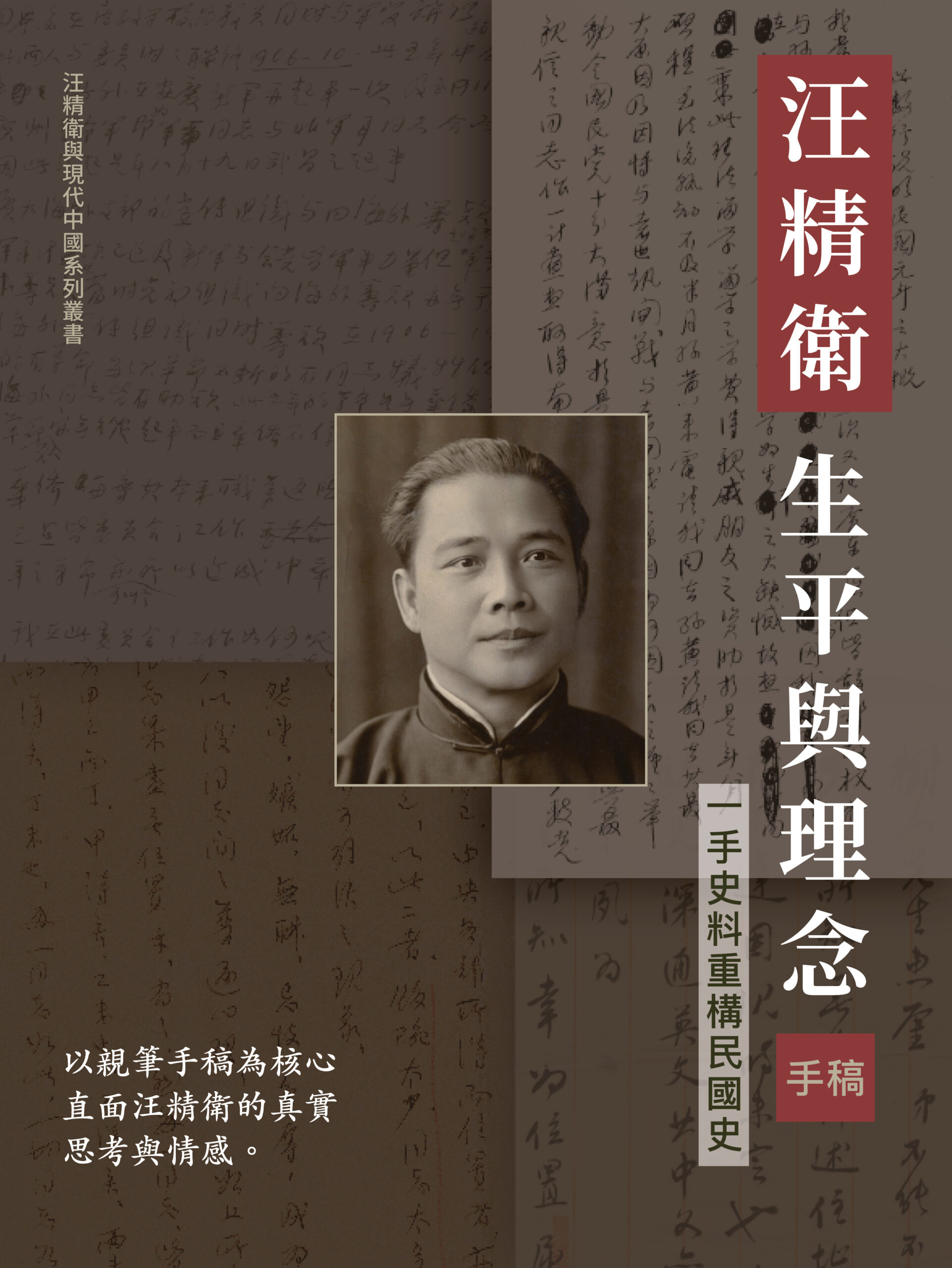
By comparing “Nanshe Shihua” with other primary sources—including the “unfinished 124-page handwritten autobiographical draft” featured in Wang Jingwei: His Life, Ideas and Beliefs—Reconstructing the History of Republican China with Firsthand Materials and Wang Jingwei’s Poetry: Unabridged Edition with Calligraphy and Annotations—Chu points out that while Wang typically responded to the vitriol of political rivals with restraint, he revealed more nuanced and profound insights into the era within the pages of “Nanshe Shihua.” Perhaps this explains Wang’s use of the pseudonym Manzhao which became the source of much controversy among some scholars over the identity of the author of “Nanshe Shihua.” This controversy was put to rest by the publication of the original handwritten manuscripts in Wang Jingwei Nanshe Poetry and Liang Jiyong’s and Xie Ru’s independent analyses.
This article reaffirms the value of the primary materials unveiled in the Wang Jingwei & Modern China series and demonstrates how literature serves as a gateway to re-examine the often-simplified history of the Republican era. Through the analysis of firsthand documents in this series, readers can uncover further clues and new historical discoveries.
點擊閱讀全文
now available as individual e-books and in print