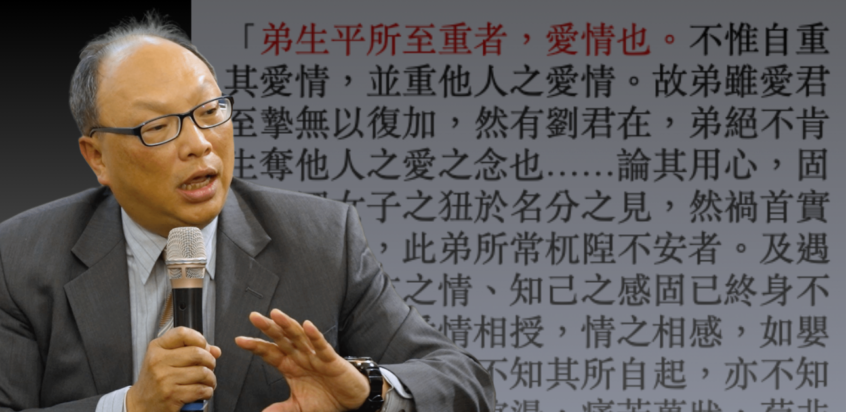
Hsu Yuming, Associate Professor in the Department of History at National Dong Hwa University, presented his paper, “How Was a Devoted Revolutionary Couple Created? Wang Jingwei and Chen Bijun in Light of Newly Published Materials, with a Discussion of the Origins of the ‘Wang Faction,’” at the 13th International Conference on “Modern China and the New East Asian Order,” held at National Dong Hwa University on 2 November 2019. Drawing on primary sources published in the Wang Jingwei & Modern China series, Professor Hsu re-examines the relationship between Wang Jingwei and Chen Bijun.
The article points out that many previous historical and literary accounts have portrayed Chen Bijun as a strong-willed wife who exerted decisive influence over Wang Jingwei’s political choices. Yet a return to their early revolutionary experiences reveals a more complex relationship. Before becoming husband and wife, Wang and Chen were first revolutionary comrades bound together by shared ideals and a common spirit of sacrifice.
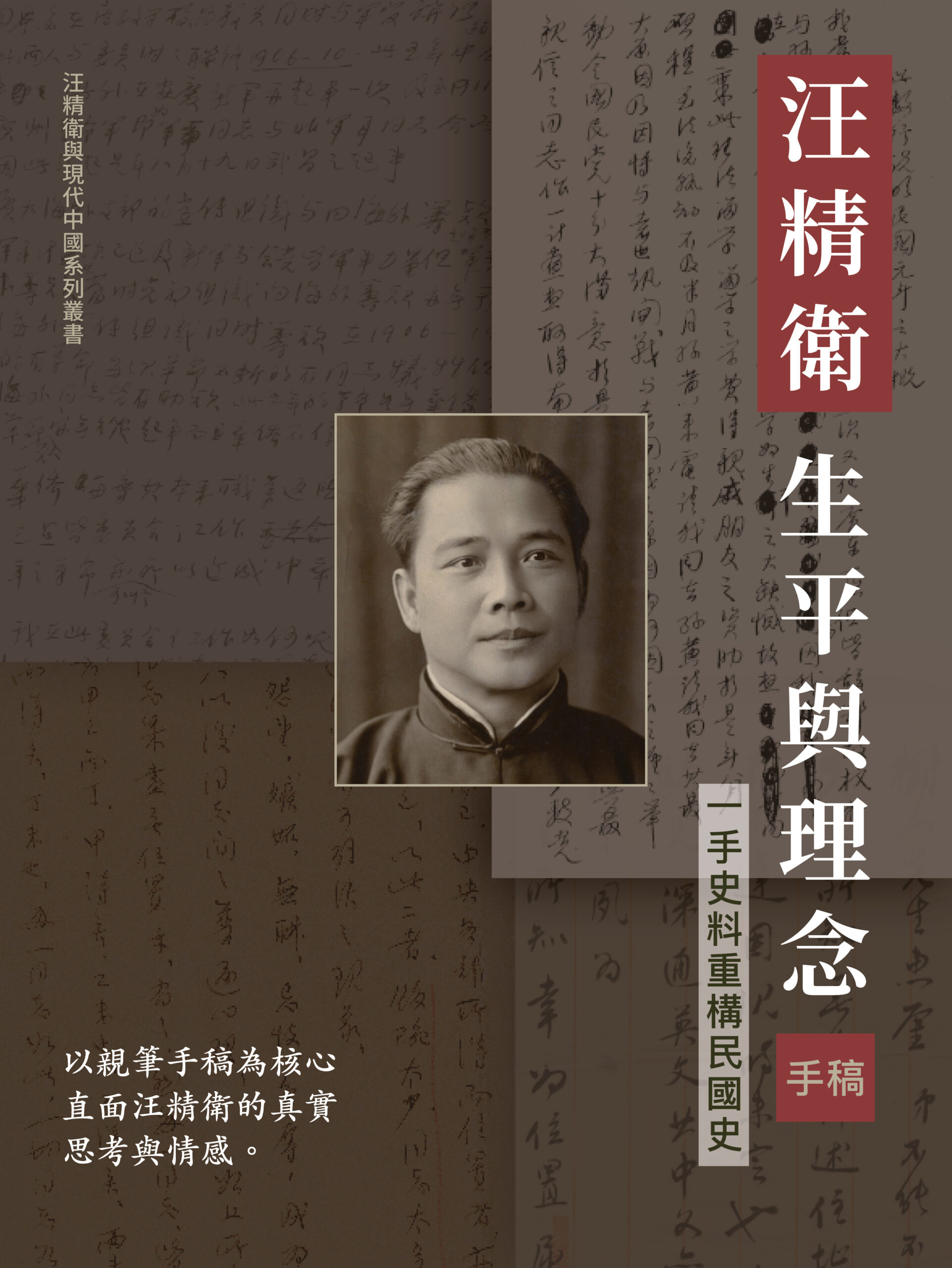
Professor Hsu makes particular use of Wang Jingwei’s early correspondence published in Wang Jingwei: His Life, Ideas & Beliefs. Among these materials is a lengthy letter written shortly before the attempt to assassinate the Prince Regent, addressed to Zeng Xing and Fang Junying, in which Wang recounted in considerable detail how he and Chen Bijun first met, came to understand one another, and eventually fell in love. This previously little-known private document enables researchers to venture beyond public statements to enter Wang Jingwei’s emotional world, placing love, revolution, self-sacrifice, and comradeship within the same historical context.
From this starting point, the article further traces the close, almost familial bonds among members of the assassination group. Professor Hsu suggests that this small circle—woven together through kinship, friendship, and revolutionary comradeship—may be regarded as an important early source of what later came to be known as the “Wang Faction.”
By examining the firsthand material collected and published in the Wang Jingwei & Modern China series, scholars are able to move beyond established narratives of political history and explore new lines of inquiry through interpersonal relationships, the history of emotions, and other perspectives, uncovering fresh clues and opening up new possibilities for research. To explore more of Professor Hsu’s research on Wang Jingwei, Republican-era politics, and modern Sino-Japanese relations, visit the Hsu Yuming Lecture Series to watch and listen to his related lectures.
now available as individual e-books and in print